
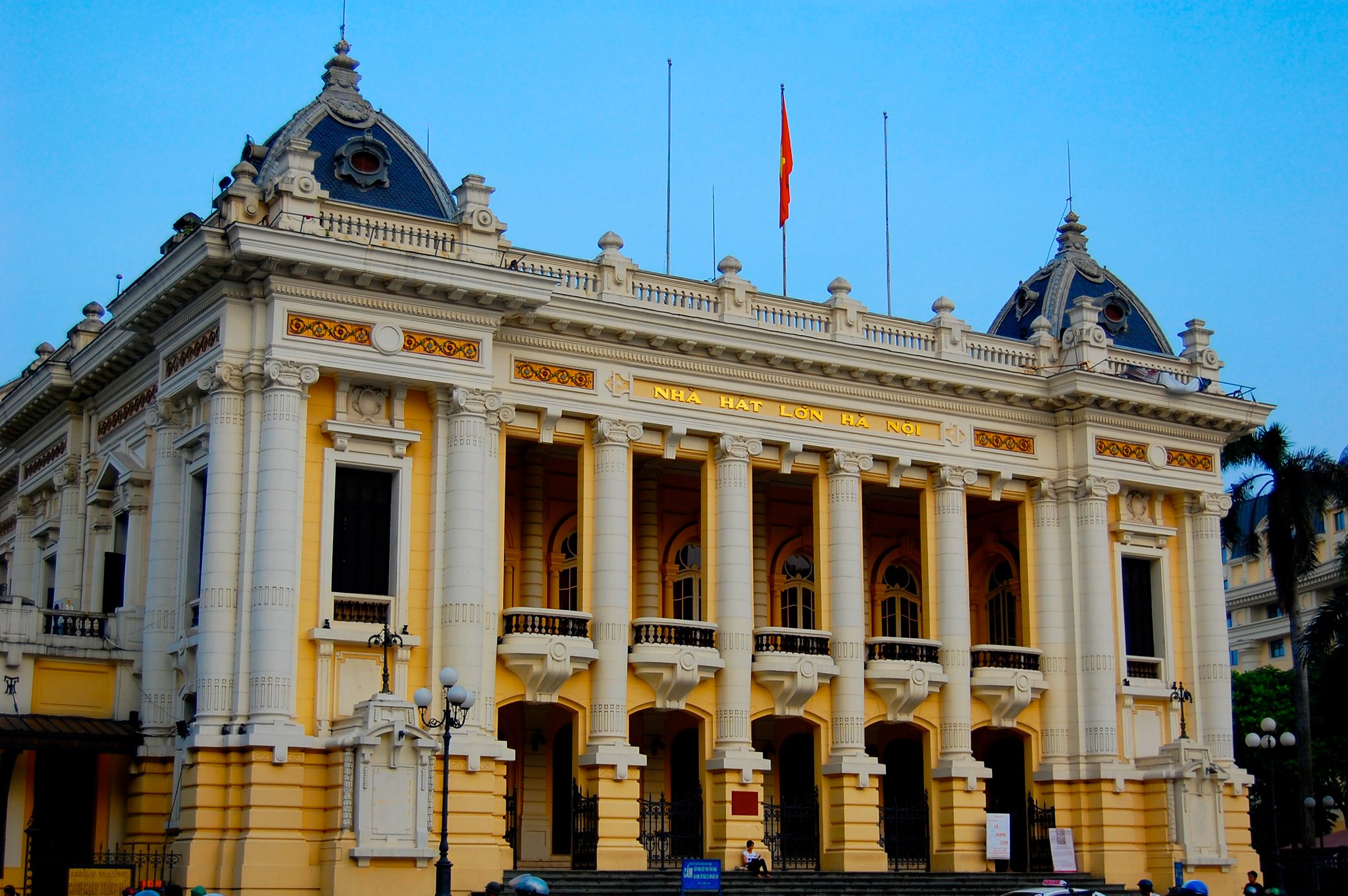
Discover the unparalleled beauty and historical significance of the Hanoi Opera House with our exclusive concierge services. Our team of experts is ready to organize a private tour of this French colonial-style architectural masterpiece located in the heart of Vietnam. From purchasing tickets to world-class performances to making reservations at the best restaurants nearby, our concierge service will ensure you have a first-class experience. We offer a personalized approach to make your visit to the Hanoi Opera House an unforgettable experience, including the opportunity to meet with local experts in history and architecture. Entrust the organization of your visit to our concierge services, and we guarantee that you will get the most complete picture of this gem of colonial architecture and modern cultural heritage of Vietnam.
Nestled in the heart of Hanoi, Vietnam’s bustling capital, stands a magnificent testament to the country’s colonial past – the Hanoi Opera House. With its stunning French colonial design, this architectural masterpiece has become an iconic landmark and a must-visit destination for tourists exploring the city’s rich cultural heritage.
Constructed between 1901 and 1911, the Hanoi Opera House was built during the height of French colonial rule in Vietnam. It was modeled after the Palais Garnier in Paris, showcasing the grandeur and opulence of French architecture in the heart of Indochina. The opera house served as a cultural center for the French elite and wealthy Vietnamese during the colonial period, hosting a variety of performances and events.
After Vietnam gained independence, the Hanoi Opera House continued to play a significant role in the country’s cultural landscape. Over the years, it has undergone several renovations and restorations, ensuring that its beauty and historical importance are preserved for future generations to admire.
Architectural Marvel
The Hanoi Opera House is a stunning example of neoclassical French architecture, blending seamlessly with the surrounding colonial-era buildings. Its facade features intricate details, including decorative reliefs, ornate balustrades, and classical columns. The building’s yellow exterior, typical of French colonial architecture in Vietnam, creates a striking contrast against the lush greenery of the nearby park.
One of the opera house’s most captivating elements is its grand entrance, adorned with beautiful ironwork and flanked by two imposing pillars. The structure’s symmetrical design and elegant proportions make it a true architectural gem, drawing the eye and inviting visitors to explore its grandeur.
Interior Splendor
Stepping inside the Hanoi Opera House is like traveling back in time to the glamorous era of French colonialism. The interior is a feast for the eyes, with its opulent decor, crystal chandeliers, and intricate frescoes. The main auditorium, with its horseshoe shape and tiered seating, can accommodate up to 600 spectators, creating an intimate yet grand atmosphere for performances.
The ceiling of the auditorium is particularly noteworthy, featuring elaborate paintings and gold leaf details that add to the overall sense of luxury and refinement. The stage itself is equipped with modern technology while maintaining its historical charm, allowing for world-class performances in a truly unique setting.
Cultural Significance
Today, the Hanoi Opera House continues to be a vital part of Vietnam’s cultural scene. It hosts a wide range of performances, including opera, ballet, symphony concerts, and traditional Vietnamese music and dance shows. The venue has welcomed both local and international artists, cementing its status as a premier cultural institution in Southeast Asia.
Beyond its role as a performance space, the opera house serves as a symbol of Hanoi’s complex history and the blending of Eastern and Western influences that characterize modern Vietnam. It stands as a reminder of the country’s colonial past while simultaneously celebrating its rich cultural heritage and artistic achievements.
Visiting the Hanoi Opera House
For tourists visiting Hanoi, the opera house is a must-see attraction. Even if you’re unable to attend a performance, the exterior alone is worth admiring. The building is particularly stunning at night when it’s illuminated, casting a warm glow over the surrounding area.
Guided tours of the opera house are available, offering visitors the chance to explore the interior and learn about its history and architecture. These tours provide valuable insights into the building’s construction, its role during the colonial period, and its continued importance in Vietnam’s cultural landscape.
If you’re fortunate enough to secure tickets for a performance, you’ll be treated to an unforgettable experience. Whether enjoying a classical concert, an opera, or a traditional Vietnamese performance, the ambiance of this historic venue adds an extra layer of magic to any show.
The Surrounding Area
The Hanoi Opera House is ideally located in the French Quarter of Hanoi, making it easy to combine a visit with other nearby attractions. The area is known for its wide boulevards, French colonial architecture, and upscale shops and restaurants. After admiring the opera house, take a stroll through the nearby Trang Tien Plaza or enjoy a cup of coffee at one of the charming cafes that dot the neighborhood.
Just a short walk away, you’ll find Hoan Kiem Lake, another must-visit destination in Hanoi. The lake offers a peaceful retreat from the city’s hustle and bustle and is home to the iconic Turtle Tower and Ngoc Son Temple.
The Hanoi Opera House stands as a shining example of French colonial architecture and a symbol of Vietnam’s rich cultural heritage. Its stunning exterior, opulent interior, and continued role as a premier performance venue make it an essential stop for any visitor to Hanoi. Whether you’re an architecture enthusiast, a history buff, or simply someone who appreciates beauty and culture, the Hanoi Opera House offers a glimpse into Vietnam’s past while celebrating its vibrant present. As you plan your visit to Hanoi, be sure to include this architectural gem in your itinerary – it’s an experience you won’t soon forget.