
For those seeking to explore Hanoi’s rich historical landscape, a visit to the Ho Chi Minh Mausoleum is indispensable. As the final resting place of Vietnam’s revolutionary leader, Ho Chi Minh, this site offers profound insights into the nation’s history. Utilizing our concierge services, you can ensure a seamless visit, from arranging guided tours to securing priority access. Our concierge services are designed to provide you with a deeper understanding of Ho Chi Minh’s legacy and the significance of this iconic monument. Let us help you experience this essential piece of Vietnamese heritage with ease and respect.
Nestled in the heart of Hanoi, the Ho Chi Minh Mausoleum stands as a powerful testament to the enduring legacy of Vietnam’s most revered political figure. This imposing structure, located in Ba Dinh Square, serves as the final resting place of Ho Chi Minh, the revolutionary leader who played a pivotal role in shaping modern Vietnam. For visitors to Hanoi, the mausoleum offers a unique opportunity to delve into the country’s rich history and pay homage to a man affectionately known as “Uncle Ho” by the Vietnamese people.
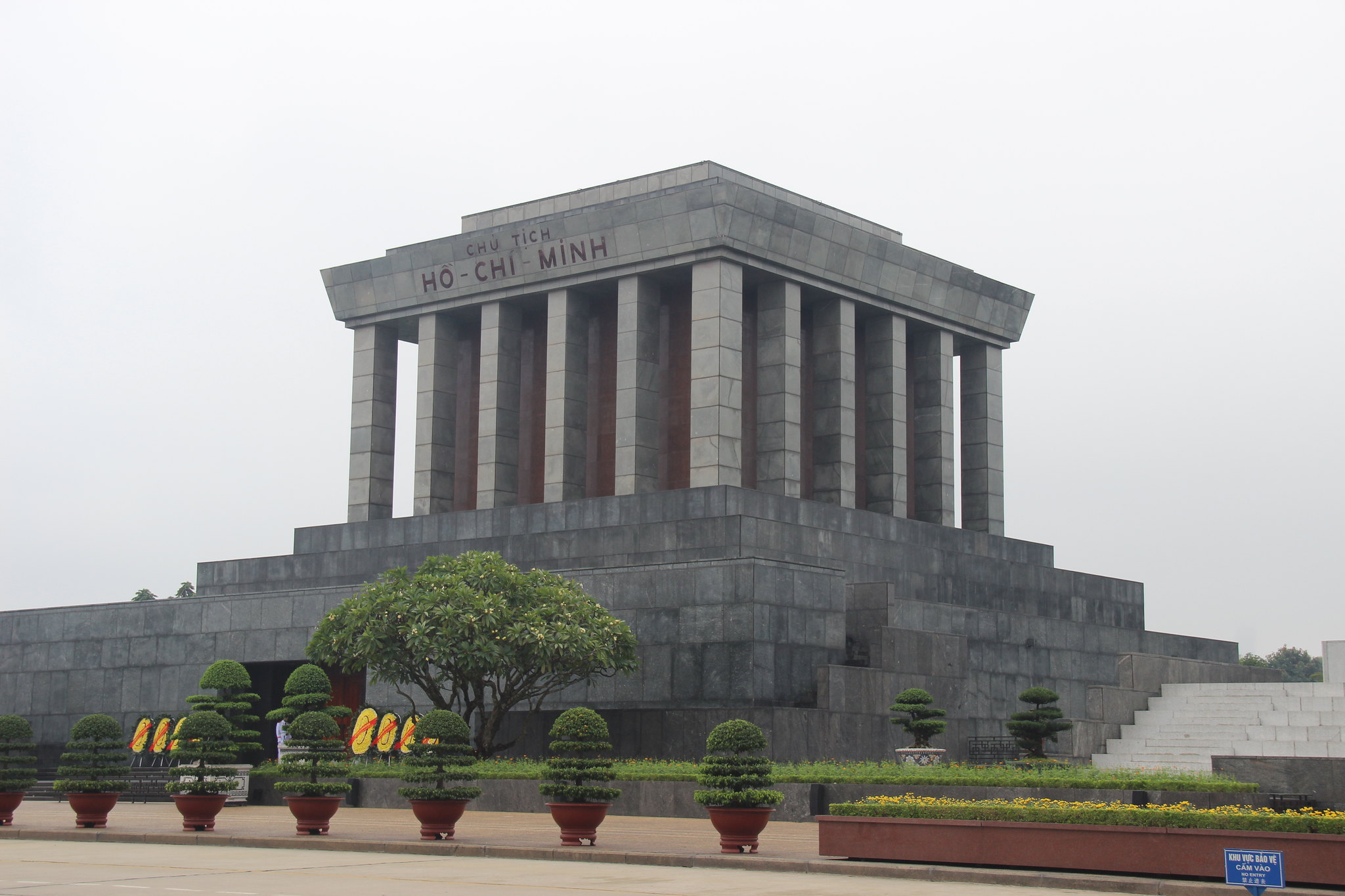
The mausoleum’s stark, granite exterior belies the profound significance it holds for the nation. The building’s architecture, which was completed in 1975, draws inspiration from Lenin’s Mausoleum in Moscow while incorporating distinctly Vietnamese elements. The structure’s clean lines and imposing facade create a sense of reverence and solemnity, befitting its important role in Vietnamese culture and politics.
As visitors approach the mausoleum, they are immediately struck by the meticulous landscaping and the honor guard standing at attention. The surrounding Ba Dinh Square, where Ho Chi Minh read the Declaration of Independence in 1945, adds to the site’s historical weight. This carefully maintained complex serves not only as a tribute to Ho Chi Minh but also as a symbol of national unity and pride.
Inside the mausoleum, visitors have the rare opportunity to view Ho Chi Minh’s embalmed body, preserved with great care since his death in 1969. The dimly lit central hall, where the leader’s body rests in a glass case, creates an atmosphere of hushed respect. It’s important to note that photography is strictly prohibited inside the mausoleum, and visitors are expected to maintain a respectful demeanor throughout their visit.
The mausoleum’s visiting hours are limited, typically open only in the mornings from Tuesday to Thursday and on weekends. It’s crucial for visitors to plan their trip accordingly and be prepared for potential crowds, especially during peak tourist seasons or on significant dates in Vietnamese history. Proper attire is required, with visitors expected to dress modestly out of respect for the site’s importance.
Beyond the mausoleum itself, the surrounding complex offers additional insights into Ho Chi Minh’s life and work. The nearby Presidential Palace area includes the modest stilt house where Ho Chi Minh chose to live, rejecting the opulent French colonial governor’s mansion. This humble dwelling provides a fascinating glimpse into the leader’s simple lifestyle and dedication to his revolutionary ideals.
Adjacent to the mausoleum, the Ho Chi Minh Museum offers a comprehensive look at the leader’s life and the struggle for Vietnamese independence. The museum paints a vivid picture of Ho Chi Minh’s journey from a young revolutionary to a revered national leader through a mix of traditional exhibits and more abstract artistic installations.
A visit to the One Pillar Pagoda is a must for history enthusiasts and those seeking to understand Vietnam’s complex past. This unique architectural gem, dating back to the 11th century, stands as a symbol of Hanoi’s long and rich cultural heritage. Its proximity to the Ho Chi Minh Mausoleum complex makes it an easy addition to any itinerary.
Visitors should be aware that the mausoleum complex can be quite busy, particularly during ceremonial events or on weekends. It’s advisable to arrive early in the morning to avoid the longest queues and the heat of the day. Guided tours are available and can provide valuable context and insights, enhancing the overall experience of this historically significant site.
For those utilizing concierge services, it’s worth noting that arrangements can often be made for priority access or guided tours that offer a more in-depth exploration of the mausoleum and its surroundings. These services can be particularly helpful in navigating the complex’s strict rules and ensuring a smooth, informative visit.
The Ho Chi Minh Mausoleum is more than just a tourist attraction; it’s a place of profound national significance that offers visitors a unique window into Vietnam’s soul. Whether you’re a history buff, a cultural explorer, or simply curious about Vietnam’s past and present, a visit to this solemn site is an essential part of any trip to Hanoi.
As you plan your visit to the Ho Chi Minh Mausoleum, remember that it’s not just about seeing a historical site but about experiencing a crucial piece of Vietnam’s identity. The reverence and emotion that surround this place speak volumes about Ho Chi Minh’s enduring impact on the nation he helped to shape. By approaching your visit with respect and openness, you’ll gain invaluable insights into the spirit of Vietnam and the legacy of one of its most influential figures.