
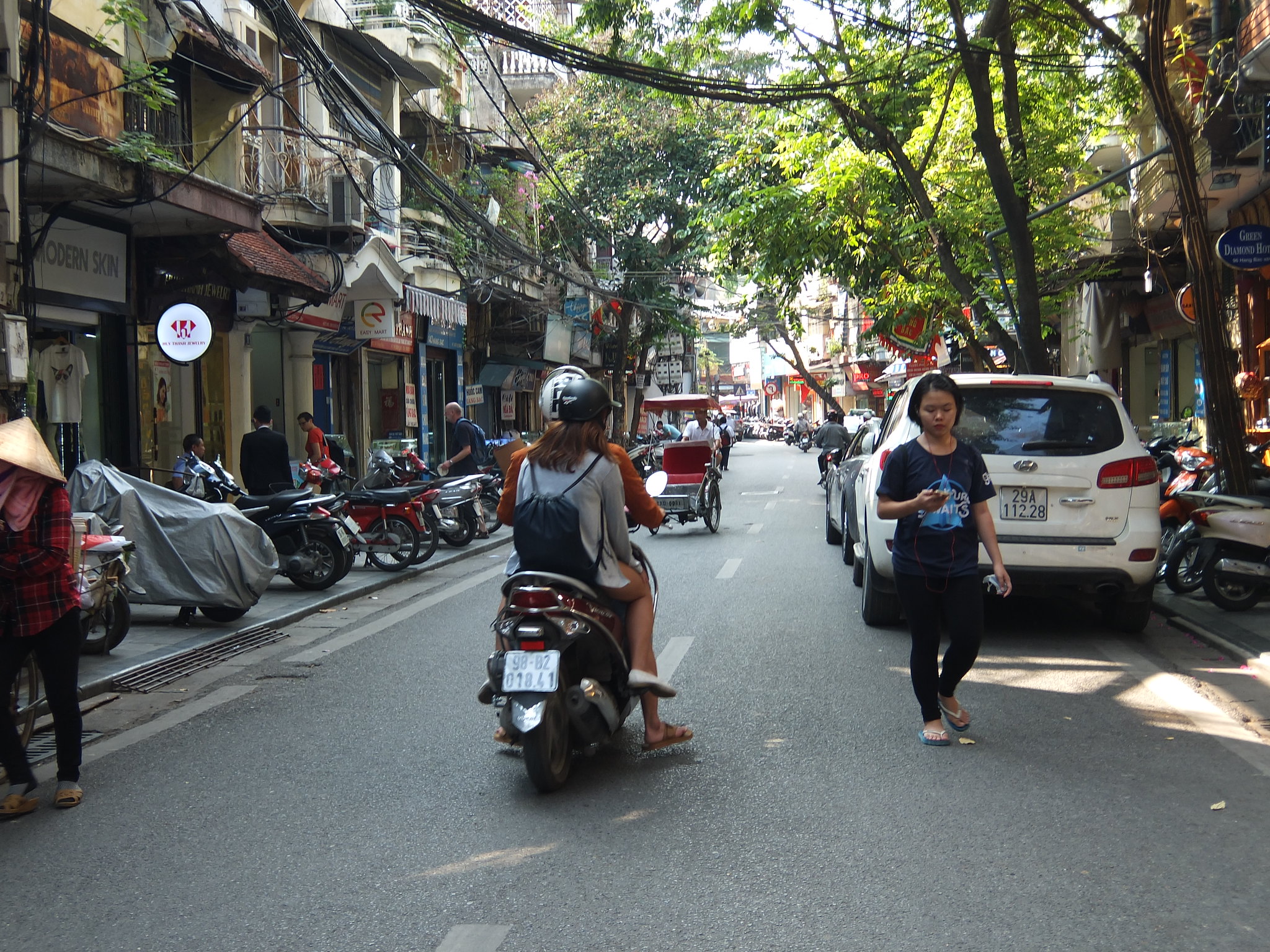
For those seeking to delve into the rich tapestry of Hanoi’s history, exploring the Old Quarter is a must. Dating back to the 15th century, this maze of narrow streets offers a fascinating glimpse into the past. With the help of our concierge services, you can navigate this bustling district effortlessly and uncover its hidden gems. From arranging guided tours to recommending the best street food stalls, our concierge services ensure a seamless and enriching experience. Dive into the vibrant culture of Hanoi’s Old Quarter and discover why it remains a beloved destination for travelers worldwide.
Nestled in the heart of Vietnam’s capital, Hanoi’s Old Quarter is a living testament to the city’s rich history and vibrant culture. This labyrinthine network of narrow streets, dating back to the 15th century, offers visitors a unique glimpse into the past while pulsating with the energy of modern-day Vietnam. As you explore this fascinating district, you’ll find yourself transported to a world where ancient traditions seamlessly blend with contemporary life.
The Origins of Hanoi’s Old Quarter
The Old Quarter, known locally as “Hoan Kiem District” or “36 Old Streets,” traces its roots to the imperial days of the Le Dynasty. Originally established as a collection of craft guilds, each street specialized in a particular trade or product. This unique layout, which has largely remained intact over the centuries, gave rise to the district’s distinctive character and charm.
As you wander through the Old Quarter, you’ll notice that many street names still reflect their historical trades. For instance, “Hang Bac” translates to “Silver Street,” where silversmiths once plied their craft, while “Hang Gai” means “Hemp Street,” formerly home to rope and fabric merchants. This naming convention offers a fascinating insight into the area’s commercial heritage and adds an extra layer of intrigue to your exploration.
Architectural Marvels and Cultural Landmarks
The Old Quarter’s architecture is a captivating mix of Vietnamese, Chinese, and French colonial influences. The area’s iconic “tube houses” – narrow, multi-story buildings with elongated designs – are a prime example of the district’s unique architectural style. These structures, some dating back several centuries, were built tall and narrow to avoid high property taxes based on street frontage.
As you meander through the maze-like streets, keep an eye out for notable landmarks such as the Bach Ma Temple, one of the oldest temples in Hanoi, and the Quan Chuong Gate, the last remaining city gate from the old citadel. These historical sites offer a tangible connection to the Old Quarter’s past and provide excellent photo opportunities for visitors.
A Sensory Feast: Markets and Street Food
No visit to Hanoi’s Old Quarter is complete without immersing yourself in its vibrant market scene. The bustling Dong Xuan Market, the largest covered market in the city, is a must-visit destination. Here, you can browse an extensive array of goods, from fresh produce and spices to clothing and souvenirs, all while soaking in the lively atmosphere.
For food enthusiasts, the Old Quarter is a veritable paradise. The district’s narrow alleys and bustling sidewalks are lined with various street food stalls and small eateries. Sample local delicacies such as pho (aromatic beef noodle soup), banh mi (Vietnamese sandwiches), and ca phe trung (egg coffee) as you explore. The Old Quarter’s culinary scene is not just about sustenance; it’s an integral part of the area’s cultural fabric and a window into everyday Vietnamese life.
While the Old Quarter’s winding streets can seem daunting at first, getting lost in this historical labyrinth is part of its charm. However, to make the most of your visit, consider these tips:
- Start your exploration early in the morning to avoid the heat and crowds.
- Wear comfortable walking shoes, as you’ll likely cover a lot of ground on foot.
- Carry a map or use a smartphone app to help you navigate, but don’t be afraid to wander off the beaten path.
- Be mindful of motorbikes and bicycles, which often share the narrow streets with pedestrians.
- Take frequent breaks at local cafes or tea houses to rest and observe daily life in the quarter.
The Old Quarter After Dark
The Old Quarter transforms into a bustling nighttime destination as the sun sets. The area around Hoan Kiem Lake comes alive with street performers, food vendors, and locals enjoying the cooler evening air. On weekends, parts of the Old Quarter become pedestrian-only zones, creating a festive atmosphere perfect for leisurely strolls and people-watching.
For those seeking evening entertainment, the Old Quarter offers a variety of options. From traditional water puppet shows at the Thang Long Water Puppet Theatre to live music venues and rooftop bars, there’s something to suit every taste and preference.
Preserving the Past, Embracing the Future
Despite its ancient roots, Hanoi’s Old Quarter is not frozen in time. The district faces the ongoing challenge of balancing preservation with modernization. Many buildings have been lovingly restored, while others have been adapted to house trendy cafes, boutique hotels, and art galleries. This juxtaposition of old and new creates a dynamic environment that continues to evolve while maintaining its historical essence.
You’ll witness this delicate balance firsthand as you explore the Old Quarter. Traditional craftsmen work alongside young entrepreneurs, centuries-old temples stand next to chic boutiques, and timeless traditions coexist with modern innovations. It’s this unique blend that makes the Old Quarter not just a tourist attraction but a living, breathing part of Hanoi’s cultural identity.
In conclusion, Hanoi’s Old Quarter offers visitors an unparalleled journey through Vietnam’s past and present. Its narrow streets, rich history, vibrant markets, and culinary delights create an immersive experience that captures the essence of the city. Whether you’re a history buff, a food lover, or simply seeking an authentic cultural experience, the Old Quarter promises a memorable adventure that will leave you with a deeper appreciation for Hanoi’s enduring charm and character.